While advertisements may claim that sunflower oil is the best and safest, all oils can be used within moderation. The key is to consume them in small quantities since all oils are high in calories and can increase body fat and affect blood sugar levels. The recommended consumption is about 1 kg of oil per person per month.
Tech Freelance Guide
All Information Under One Roof
Tech Freelance Guide
All Information Under One Roof
What is Diabetes Mellitus?
This is a somewhat long post, but please read it carefully.
Glucose in our blood provides the necessary energy for our body’s tissues. To convert glucose into energy, we need a hormone called insulin, which is produced by the pancreas a gland located behind the stomach. When the amount of insulin decreases, the body’s tissues cannot absorb the required glucose from the blood, leading to elevated blood glucose (sugar) levels.
This excess glucose can negatively impact the heart, kidneys, eyes, nervous system, and blood vessels. If proper medical advice is not followed, severe complications can arise, which may even lead to death. However, individuals who manage to keep their blood sugar levels under control can protect themselves from these health issues.
With proper management, one can lead an average and satisfactory life even with diabetes. It requires extra care and “self-control,” which includes consuming the right foods daily, exercising, maintaining a healthy weight, regularly monitoring blood sugar levels, and adhering to prescribed medications.

Types of Diabetes Mellitus
Diabetes is classified into three main types
- Type 1 Diabetes
- Type 2 Diabetes
- Gestational Diabetes
Type 1 Diabetes
Also known as juvenile diabetes or insulin-dependent diabetes, Type 1 accounts for 5-10% of all diagnosed cases. In this condition, the body’s immune system mistakenly attacks and destroys the insulin-producing cells in the pancreas. Without insulin, the body cannot utilize the fat and sugar from food.
People with Type 1 diabetes must take insulin, as their bodies cannot produce it. This type typically occurs in children and young adults but can develop at any age, usually presenting suddenly. While there is no cure for Type 1 diabetes, advancements in medicine and careful self-management enable individuals to avoid complications and live healthy lives.
Characteristics of Type 1 Diabetes
- Typically occurs in children.
- Symptoms include excessive thirst, frequent urination, and weight loss.
- It is generally not hereditary, but caution is advised if there is a family history.
- Insulin is necessary to lower blood sugar levels.
- Blood sugar levels can significantly fluctuate with minor changes in diet, exercise, or insulin dosage.


Type 2 Diabetes
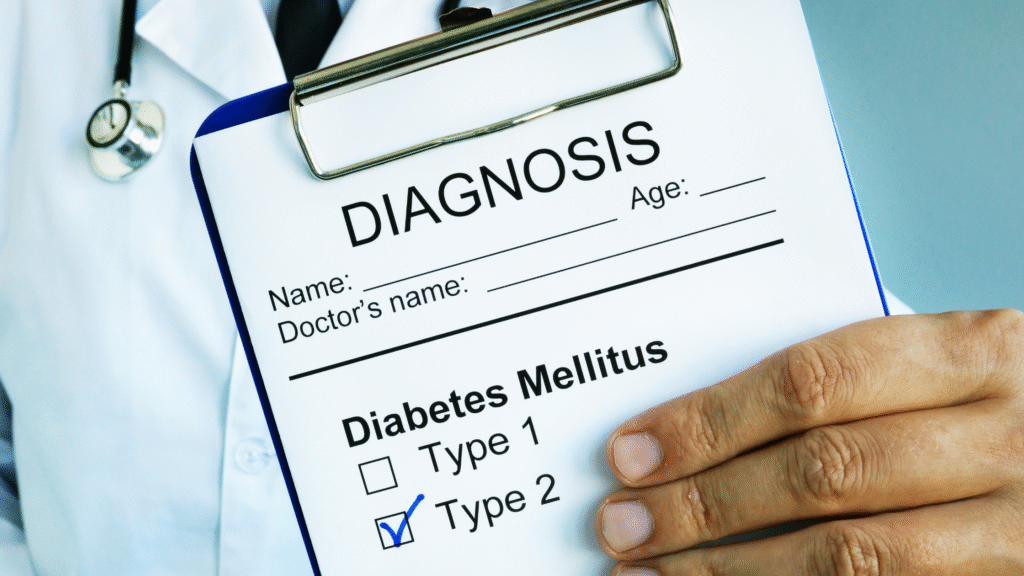
Known as non-insulin-dependent diabetes, Type 2 is more common in individuals over 40. In this type, the body produces insulin but either in insufficient quantities or becomes resistant to its effects. Type 2 diabetes accounts for about 90-95% of all cases. Recent studies indicate that even young adults are increasingly affected, likely due to modern lifestyles and sedentary jobs.
Type 2 diabetes is a progressive disease that can lead to severe complications if not managed, such as heart disease, kidney failure, eye problems, nerve damage, blood vessel damage, and even foot amputations. Although there is no permanent cure, many individuals, especially in the early stages, can manage their blood sugar levels effectively through attention to diet, healthy weight loss, and regular exercise. Some may require oral medications, and others may eventually need insulin for protection against complications.
Characteristics of Type 2 Diabetes
- Typically affects adults, although some young individuals are now affected.
- Symptoms include excessive thirst.
- Often hereditary.
- Most affected individuals are overweight or obese.
- Blood sugar levels can be managed through diet, exercise, medication, and sometimes insulin.

Type 3 Gestational Diabetes
This type affects about 3-5% of pregnant women and usually resolves on its own after childbirth. Gestational diabetes occurs when insulin production is somewhat reduced during pregnancy. It can often be managed through dietary control, though some women may require insulin, as oral medications are usually avoided due to potential effects on the baby.
Babies born to mothers with gestational diabetes are generally larger than average and may experience low blood sugar at birth. Approximately 40% of women who had gestational diabetes go on to develop Type 2 diabetes later in life, making it advisable for them to get tested annually after delivery.
Diet for Diabetes Management
Food consists of carbohydrates, proteins, and fats.
Carbohydrates

are found in foods like rice and wheat. Whole grains like wheat contain high fiber content, helping sugar to be released steadily into the bloodstream. When choosing vegetables and fruits, opt for those high in fiber and avoid underground tubers (e.g., potatoes, carrots, beetroot). Steer clear of sugary fruits such as sapodilla (chikoo), jackfruit, and custard apple.
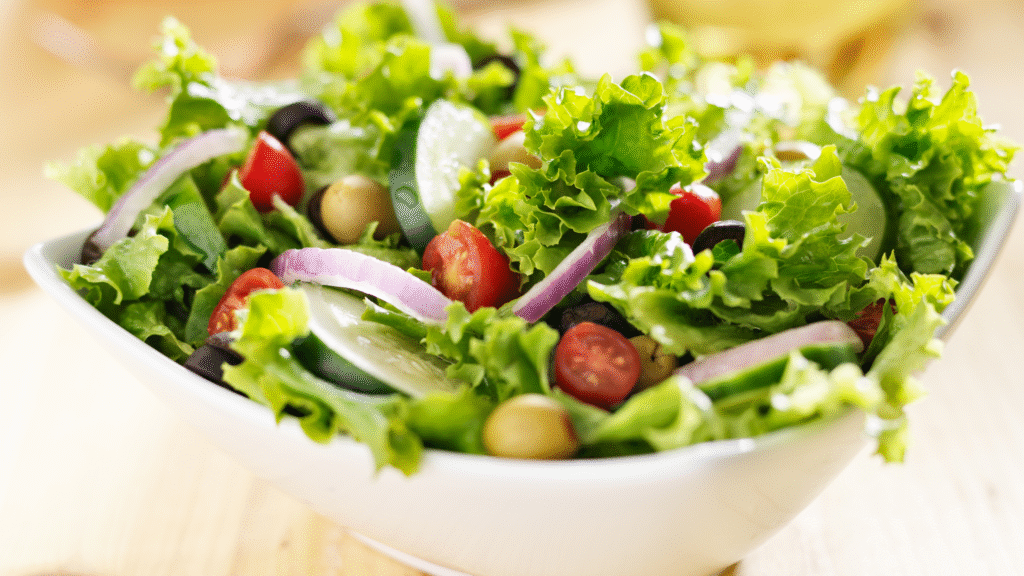
Foods to Include Liberally
- Soups, pepper rasam, tomato juice (without sugar), buttermilk, etc.
- All types of green leafy vegetables (salads).
- Pickles made without oil and sugar.

Foods to Consume in Moderation
- Milk – No more than 300 ml per day.
- Oil – Sunflower or refined oil, 2-3 teaspoons daily.
- Chicken/Fish – Up to 50 grams, not fried.
- Fruits – Apple, orange, guava, papaya, pear, watermelon (one fruit or a few pieces daily).
Foods to Avoid
- Sugars – Sugar, glucose, jaggery, honey, jam, jelly, Indian sweets (such as Laddu and Burfi), biscuits, and cakes.
- High-Calorie Fruits – SBanana, mango, pineapple, sapodilla (chikoo), custard apple, and grapes.
- Starchy Vegetables – Potato, yam, colocasia, and sweet potato.
- Nuts – Cashew, almond, and coconut.
- Fats – Ghee, dalda, butter, and coconut oil.
- Dairy – Egg yolk, cheese, and cream.
- Beverages – Carbonated soft drinks (like Thums Up) and packaged fruit juices (with added sugar).
- Other – Fried foods.
Exercise
Aim for 30-45 minutes of brisk walking daily. If possible, consider jogging for 30 minutes. Those with heart conditions should exercise only as advised by their doctor.

Treatment
Understand that while there’s no permanent cure for pre-diabetes, it’s important to seek proper treatment from a qualified doctor. Blood tests should be performed at intervals recommended by your doctor. Strict dietary control must be followed, and an eye examination with an ophthalmologist should be done every two years. By adhering to these guidelines, a healthy life is achievable.
What is Pre-Diabetes?
Pre-diabetes is the preliminary stage before full-blown diabetes, similar to “pre-school” before starting primary school. If a fasting blood sugar test (taken after fasting overnight) shows a level between 110 and 125 mg/dL, it is classified as pre-diabetes. A level above 126 mg/dL indicates diabetes.
Another test used is the Glucose Tolerance Test (GTT). The patient drinks a solution containing 50-75g of glucose, and blood sugar levels are measured after 2 hours
- Below 140 mg/dL: No diabetes.
- 140 to 199 mg/dL: Pre-diabetes.
- 200 mg/dL or above: Diabetes.
Is a Strict Diet Necessary?
The fear of diabetes often stems from the misconception that a very strict diet is required. However, S. Devi, a dietitian from the Bangalore Diabetes Centre, states that there’s no need to worry excessively about dietary restrictions. Proper “diet control” means consuming nutritious foods in the right quantities at the appropriate times. The dietary pattern recommended for diabetes is healthy and can benefit all family members.
Many people believe they must completely avoid rice. However, grains like rice, wheat, ragi, and bajra contain 70-75% carbohydrates, and those with diabetes can include their favorite foods without needing to eliminate rice entirely.
A common concern is the challenge of precisely measuring food as a dietitian suggests. However, exact measurements are not necessary; the key is to eat slightly less than your usual daily intake. Ideally, fill one-third of your stomach with food, one-third with water, and keep one-third empty.
People with diabetes require a planned, balanced, and nutritious diet, just like everyone else. This diet should include carbohydrates (wheat, rice, ragi), proteins, green vegetables, calcium-rich milk, and limited quantities of meat (twice a week). It’s also essential to use less oil.
While consuming fruits isn’t wrong, some fruits like bananas, sapodilla, and mango are high in calories and can raise blood sugar levels if eaten in large quantities. Fruits such as oranges, mosambi (sweet lime), papaya, and apples (or their juices without added sugar) are healthier options.
Red meat (beef, mutton, pork) is high in saturated fat, which can elevate cholesterol levels. It’s best to avoid these or consume them very infrequently.

Diabetes and Kidney Disease
Diabetes is a leading cause of kidney failure, making dietary changes critical. For those with kidney issues, protein intake may need to be reduced, and salt intake should be limited to less than 5g per day. You might also need to restrict potassium intake, as high-potassium foods include tender coconut water, cashews, pistachios, dried fruits, red meat, and certain fruits and vegetables.
Consulting a Professional
Many individuals with diabetes believe they know everything about diet management and don’t require a dietitian’s guidance. However, dietitians assess a patient’s weight, blood sugar, cholesterol, and kidney function to create a personalized diet plan. General dietary advice is often insufficient.
Fats and Oils
Individuals with diabetes face a higher risk of developing high cholesterol, so it’s crucial to reduce and monitor oil intake. Fats are categorized into two main types: saturated and unsaturated.
Saturated Fats
are found in ghee, butter, cream, meat, and certain vegetable oils (coconut oil, palm oil). These are solid at room temperature and can increase blood cholesterol levels.
Unsaturated Fats
are further divided into polyunsaturated and monounsaturated fats. These are liquid at room temperature, found in oils like sunflower, soybean, sesame, and olive oil, as well as in nuts.
Calculating Calorie Needs
A person’s calorie needs depend on whether they need to gain, lose, or maintain weight.
To calculate Ideal Body Weight (IBW)
Ideal Body Weight = (Height in cm – 100) x 0.9
Daily Calorie Needs
For people at their ideal weight – 25 kcal/kg of body weight to maintain weight.
For overweight individuals – 20 kcal/kg of body weight to lose weight.
For underweight individuals – 30-35 kcal/kg of body weight to gain weight.
A daily diet should be balanced as follows
Carbohydrates – 60-65% of total calories
Protein – 15-20% of total calories
Fat 15-25% of total calories
When advising a person with diabetes, their eating habits, religion, and economic situation must be considered. All advice should be easy to understand and practical for each individual to follow.